Art that grows from the overlooked
About
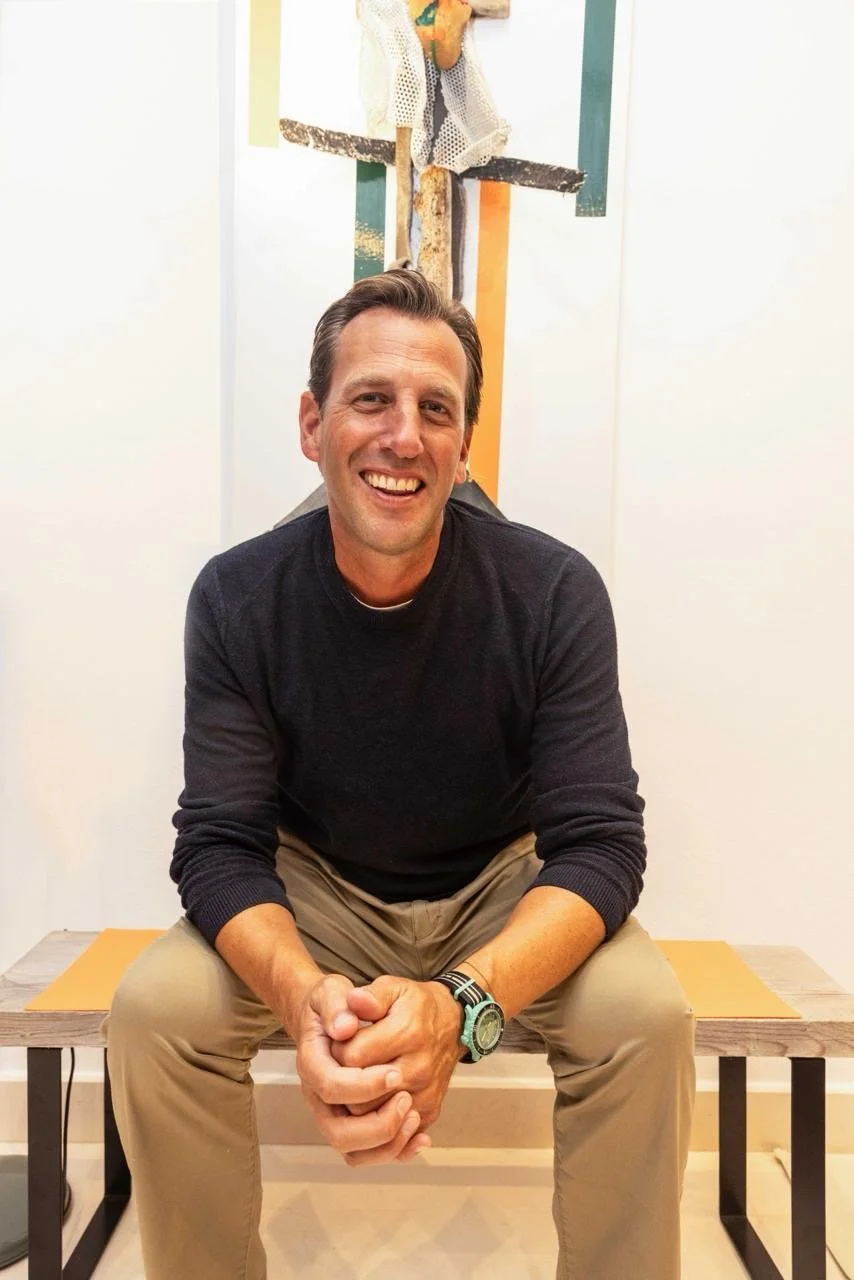
Dominic Pritzel is an assemblage artist who lives and works in Mallorca.
He has been working with materials, forms, and structures since the age of twelve. His first pieces of furniture and sculptures were created in his parents' workshop—out of curiosity, a love of experimentation, and the desire to create things with his own hands. Early on, this fostered a sensitive understanding of materiality and design.
He deepened this understanding during his studies in industrial design, specializing in furniture design. There, he learned to harmonize form and function, to use materials consciously, and to understand design as a process. However, his true artistic language developed beyond classical design processes—in direct dialogue with his environment.
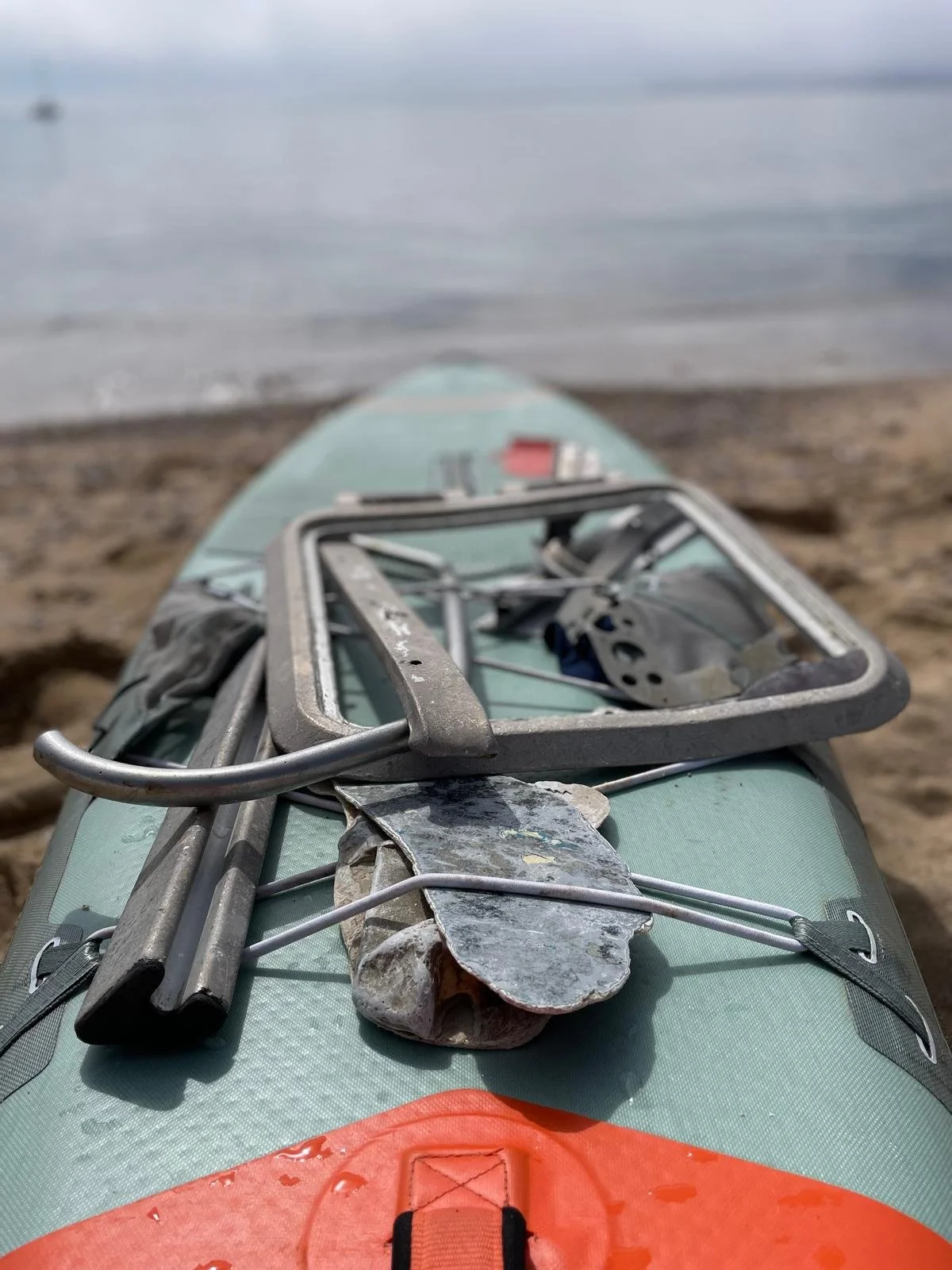
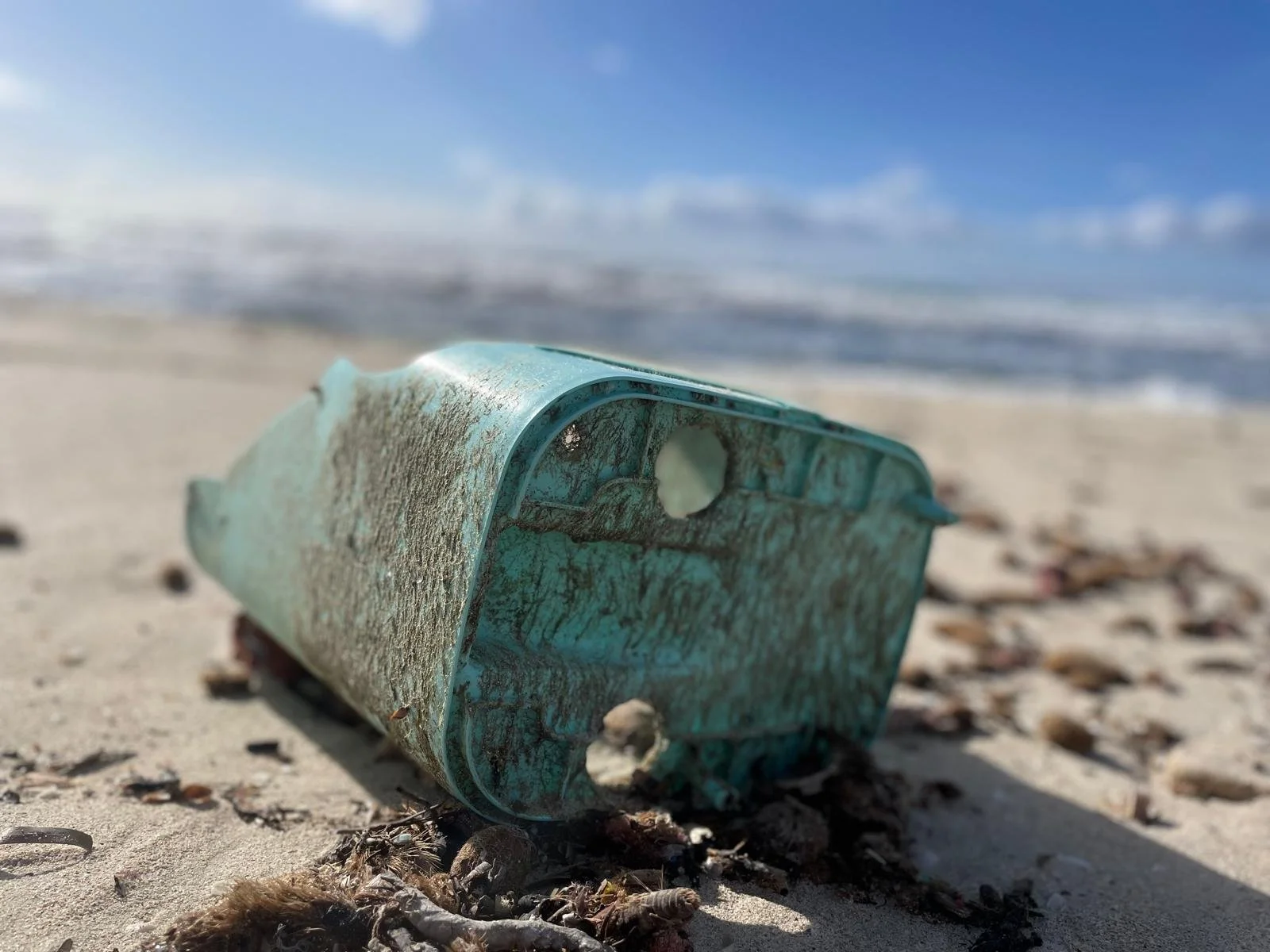
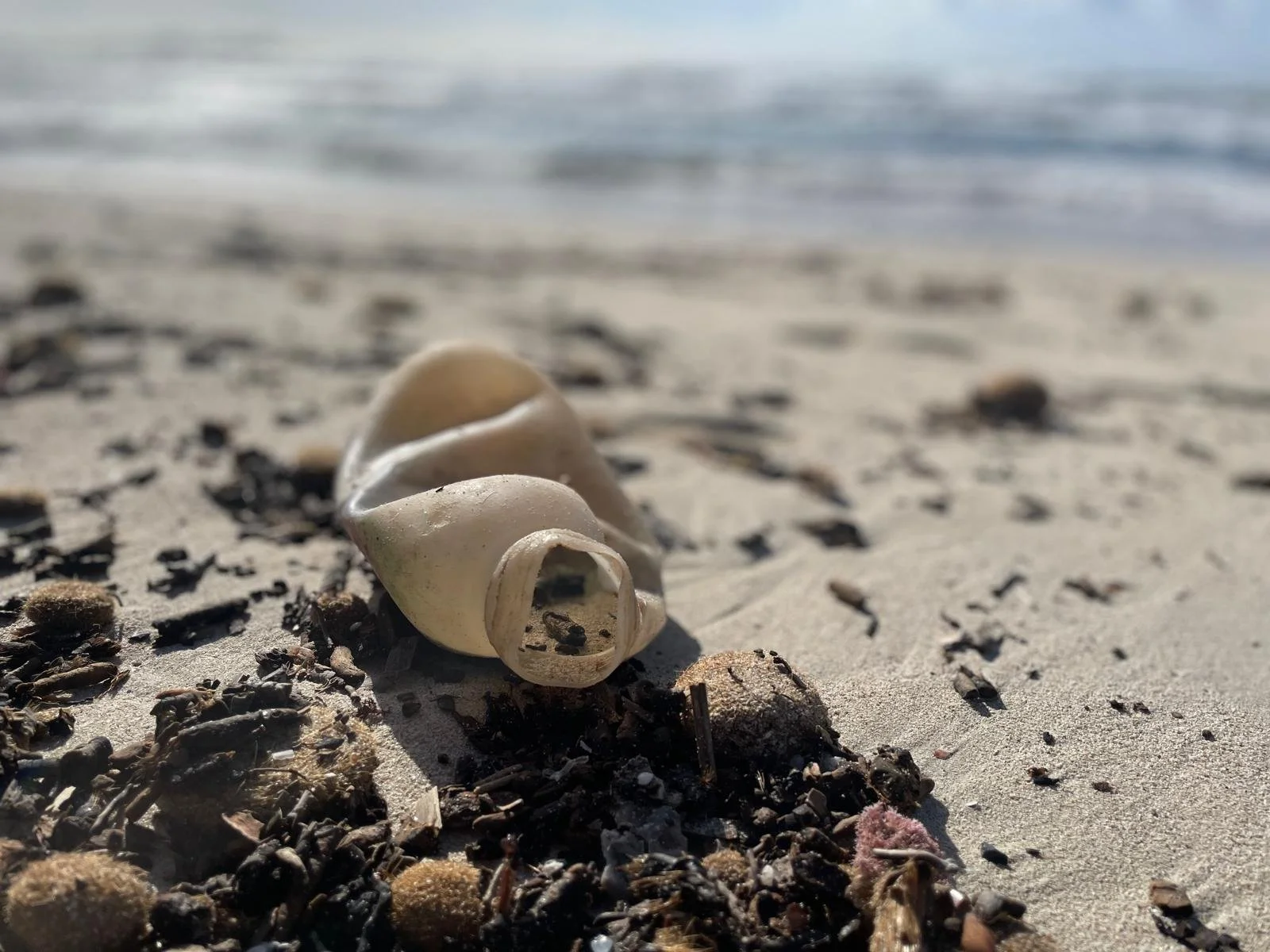
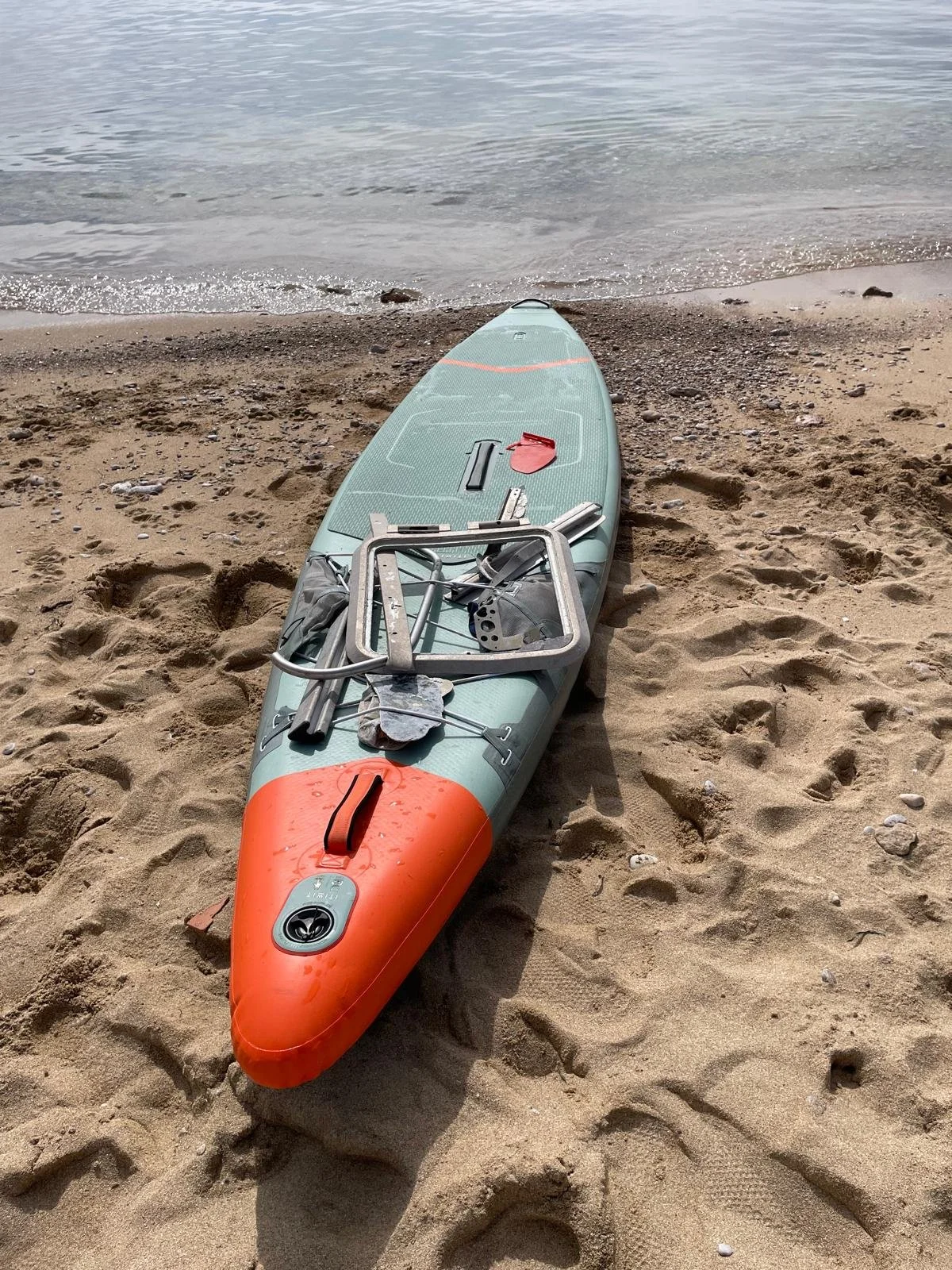
For over 14 years, he has been collecting, searching for, and finding things left behind by the water or discarded on the margins of our society while stand-up paddle boarding, making these the starting point for his work.
Today, Dominic Pritzel works in his own studio, surrounded by over 50 sculptures and paintings. Each piece is unique, created from materials that have already had a life.
The Art of Transformation
Plastic fragments, weathered objects, found objects of diverse origins – each piece bears traces of time, movement, and change.
He does not hide or reshape these materials, but consciously leaves them in their original state. Their history remains visible. In his hands, sculptures and paintings emerge that not only have an aesthetic impact but also pose questions: about value, perception, and our relationship with the world.
His works exist in the space between art, object, and repository of memory. They are characterized by reduction, clarity, and a special tranquility. Nothing appears accidental, yet the character of the found object is always preserved. This is precisely where the power of his works lies – in the tension between control and chance, design and origin.
His art is not conceived as a new creation, but as a continuation – as a transformation of what already exists into something that can be seen anew.
Thus, a quiet yet compelling form of art is created: reduced, honest, and timeless – and at the same time deeply connected to the reality from which it arises.